The Role of Government in Drug Pricing: What Australia Does Differently from Canada

When it comes to addiction recovery and mental health treatment, access to affordable medication can be life-changing. For many individuals, prescriptions help manage withdrawal, reduce cravings, or stabilize mood during the healing process. But in many countries, the rising cost of medications makes recovery harder to sustain. Both Australia and Canada have systems in place to control drug prices, but the way their governments approach this issue differs significantly. Understanding these differences helps highlight why access to affordable care is so essential for long-term healing and stability.


Australia’s Hands-On Approach to Drug Pricing

Australia’s government plays a central role in regulating the cost of prescription medications. The Pharmaceutical Benefits Scheme (PBS) is at the heart of this system. Through the PBS, the federal government negotiates directly with pharmaceutical companies to determine which drugs are covered and at what price. Once a drug is listed under the PBS, the government subsidizes the cost, ensuring that patients pay only a manageable co-payment rather than the full market price.

Supporting Stability in Recovery

For those managing addiction or mental health conditions, this level of government involvement provides stability and security. Medications used to treat anxiety, depression, or substance use disorders remain affordable and consistent across the country. Patients do not have to worry about dramatic price fluctuations or regional disparities. This predictability allows individuals to focus on their treatment and emotional healing instead of financial strain.


Canada’s Decentralized and Regulatory Model

In contrast, Canada’s government plays more of a regulatory than a negotiating role. Drug pricing oversight is handled by the Patented Medicine Prices Review Board (PMPRB), which ensures that pharmaceutical companies do not set excessive prices for patented medications. However, Canada does not have a national drug coverage program like Australia’s PBS. Instead, prescription drug costs are managed through a mix of provincial programs, private insurance, and out-of-pocket spending.

Challenges for Canadians in Recovery

Because drug coverage varies by province, access to affordable prescriptions can depend on where a person lives or whether they have private insurance. For individuals in addiction recovery or mental health treatment, these inconsistencies can create real barriers. The lack of a unified system means some Canadians may pay much more for essential medications than others. This uneven access can disrupt treatment plans, contribute to relapse risk, and add unnecessary financial stress during an already difficult time.


The Impact of Policy on Healing and Access

Drug pricing is more than just a policy debate. It directly influences the health, stability, and progress of people striving to overcome addiction or mental illness. When governments take an active role in negotiating fair prices, as Australia does, patients benefit from greater equity and peace of mind. On the other hand, fragmented systems like Canada’s can make recovery more challenging for those without strong financial or insurance support.

A fair, transparent pricing system supports holistic healing, where patients can focus on therapy, counseling, and spiritual renewal without worrying about medication costs.


Ensuring Affordable Healing for All

Australia’s approach to government-led drug pricing demonstrates how policy can empower patients rather than burden them. By prioritizing affordability and accessibility, the country has built a system that supports recovery at every level. Canada’s model, while protective in some respects, shows how decentralization can create inequalities in access and affordability.

At our center, we believe that healing should never be limited by cost. Through holistic, faith-based, and individualized care, we help clients access the support they need to rebuild their lives. Affordable medication is one part of the journey, but comprehensive care addresses the mind, body, and spirit together. If you or your loved one is ready to begin the path toward recovery, reach out today. Compassionate, affordable healing is possible, and we are here to guide you every step of the way.


Pharmaceutical Price Control: Australia and Canada’s Approach to Keeping Drugs Affordable

For many people in addiction recovery or mental health treatment, prescription medications are not optional. They are vital tools that help manage withdrawal, reduce cravings, stabilize mood, and support long-term wellness. Yet the affordability of these medications can either strengthen or weaken the recovery process. Around the world, countries have adopted different strategies to keep prescription costs under control. Australia and Canada, in particular, have taken distinct paths in regulating pharmaceutical prices, each offering lessons on how access to affordable medications shapes healing and recovery.


Australia’s Centralized Model: The Pharmaceutical Benefits Scheme

Australia is often cited as a global leader in controlling prescription drug prices. The country’s Pharmaceutical Benefits Scheme (PBS) allows the government to negotiate directly with pharmaceutical manufacturers. By leveraging its purchasing power, Australia sets a capped price that patients pay at the pharmacy.

How the PBS Supports Recovery and Mental Health

For individuals undergoing addiction treatment, affordability can mean the difference between staying on track and falling into relapse. Under the PBS, general patients pay a fixed co-payment, and concession card holders pay even less. Once a family reaches the PBS Safety Net threshold, costs drop further for the rest of the year. This predictable structure removes the financial stress that often accompanies long-term treatment, ensuring that medications for depression, anxiety, or recovery management remain accessible.


Canada’s Approach: Regulation Without Centralization

Canada does not have a single national drug plan like Australia. Instead, prescription coverage comes from a mix of provincial programs, private insurance, and out-of-pocket spending. The Patented Medicine Prices Review Board (PMPRB) plays a critical role by ensuring that drug manufacturers do not set excessive prices. However, the PMPRB does not negotiate directly with companies, which means costs can still vary significantly depending on location and insurance coverage.

Challenges for Recovery in Canada

For individuals in recovery or managing mental health conditions, Canada’s system can feel fragmented. Without consistent national coverage, access depends heavily on income, employment benefits, or provincial eligibility. These gaps can lead to interruptions in treatment, missed doses, or financial hardship that complicates recovery. The lack of predictability contrasts sharply with Australia’s streamlined PBS approach.


Lessons from Both Systems

  • Australia shows the value of centralized negotiation. By setting national prices, the PBS ensures fairness and consistency.
  • Canada highlights the risks of fragmentation. While regulations help limit extreme price hikes, the absence of a unified program creates gaps in access.
  • Both systems emphasize the connection between affordable medication and recovery. Whether through centralized or regional approaches, controlling drug prices directly impacts treatment success.

The Bigger Picture: Medications as Part of Holistic Care

Affordable medications are just one piece of the recovery puzzle. Long-term healing also requires counseling, therapy, faith-based support, and community care. When medications are financially out of reach, progress in these other areas can be undermined. By keeping drug costs manageable, healthcare systems can reduce barriers and help individuals focus fully on their recovery journey.


Making Recovery More Accessible

Australia and Canada both recognize the importance of regulating drug costs, but their approaches reveal different strengths and weaknesses. For those in addiction recovery or mental health treatment, affordability is not just a matter of economics. It is a matter of survival, stability, and hope.

At our center, we understand that healing requires more than therapy alone. We provide holistic, faith-based, and individualized care that addresses every aspect of recovery, including practical support for managing the cost of medications. If you or a loved one is ready to begin a journey of lasting change, reach out today. Recovery is possible, and affordable care is part of the solution.

Prescription Pain: The Real Cost of Medications in Australia and Canada

For individuals navigating addiction recovery or managing mental health conditions, access to affordable prescription medication is not a luxury. It is a necessity. Medications can support withdrawal management, stabilize mood, and address co-occurring conditions, forming a critical part of the recovery journey. Yet the cost of these medications varies significantly between countries. Australia’s Pharmaceutical Benefits Scheme (PBS) and Canada’s patchwork of provincial and private plans offer two very different approaches, each with implications for those seeking long-term healing.


Australia’s PBS: Predictable and Affordable Access

Australia maintains one of the most effective strategies for controlling medication costs through the Pharmaceutical Benefits Scheme. Under the PBS, the federal government negotiates directly with pharmaceutical companies to determine the price of approved medications. This ensures that essential prescriptions are accessible to everyone, regardless of income.

Why Consistency Matters in Recovery

For individuals in addiction recovery or mental health treatment, predictable medication costs are essential. The PBS allows patients to pay a capped co-payment—around AUD $31.60 for general patients and AUD $7.70 for concession card holders in 2025. Families that reach the PBS Safety Net threshold enjoy even lower costs for the remainder of the year. This structure removes the financial uncertainty that can otherwise lead to skipped doses or interrupted treatment, supporting continuous recovery and mental health stability.


Canada’s Patchwork System: Variable Costs and Access Challenges

Canada takes a different approach. Prescription coverage is decentralized, relying on provincial drug programs, private insurance, and out-of-pocket payments. The Patented Medicine Prices Review Board (PMPRB) regulates the maximum price for patented drugs but does not negotiate directly with pharmaceutical companies.

Implications for Recovery and Mental Health

This fragmented system can create gaps in access. Depending on the province, income level, and insurance coverage, patients may face significantly higher costs for the same medications compared to Australia. For someone managing addiction or mental health conditions, these gaps can disrupt treatment plans, increase stress, and even contribute to relapse. The inconsistency in pricing and coverage highlights the challenges that come with relying on multiple programs rather than a unified national system.


Lessons on Holistic Recovery and Medication Access

Access to affordable prescriptions is a critical component of holistic, individualized care. Recovery involves more than just treatment sessions; it requires addressing both physical and mental health needs. When medication is unaffordable or inconsistent, progress in therapy and counseling can be slowed. Australia’s centralized PBS demonstrates how predictability and affordability can support comprehensive, holistic recovery. In Canada, understanding coverage options and planning ahead is essential to maintain access to necessary medications.


Breaking the Cycle of Financial Stress in Recovery

Medication costs should never be a barrier to healing. Australia’s PBS provides a model for stable, affordable access, while Canada’s patchwork system requires patients to navigate a more complex landscape. For individuals seeking addiction recovery or mental health treatment, understanding these systems can inform better decisions and reduce stress.

At our center, we combine holistic, faith-based, and individualized care with practical guidance on accessing essential medications. Every aspect of treatment is designed to support your recovery journey. If you or a loved one is struggling, reach out today to take the first step toward compassionate, comprehensive, and sustainable healing.

Why Are Drugs Cheaper in Australia? Lessons for Canada

For anyone navigating addiction recovery or mental health treatment, the cost of prescription medications can be a constant concern. Medications are often essential for managing withdrawal, stabilizing mood, and addressing co-occurring conditions like depression or anxiety. Yet, depending on where you live, the price of these vital prescriptions can vary dramatically. Australia has gained recognition for keeping drug prices relatively low, while in Canada, patients often face higher and more unpredictable costs. Understanding why this difference exists can shed light on how access to affordable medication directly impacts long-term recovery and overall health.


The Australian Approach: Negotiation and Control

Australia’s Pharmaceutical Benefits Scheme (PBS) is the cornerstone of its strategy to keep medication costs down. Through the PBS, the federal government directly negotiates with pharmaceutical companies to set drug prices before they reach the market. This centralized approach allows Australia to secure lower prices for many essential medications, making them more affordable for patients.

Consistency Matters in Recovery

For individuals in recovery, consistency is key. The PBS ensures that medications for mental health treatment, addiction management, and chronic conditions remain within reach for most Australians. Patients pay a small co-payment, and once families reach the annual PBS Safety Net, costs drop even further. This predictability supports recovery by removing financial stress and ensuring that no one has to choose between their prescriptions and other basic needs.


Canada’s Challenge: A Fragmented System

Canada, unlike Australia, does not have a single national drug plan. Instead, prescription coverage is divided among provincial drug programs, private insurance, and out-of-pocket payments. While the Patented Medicine Prices Review Board (PMPRB) regulates drug prices to prevent excessive costs, it does not negotiate directly with manufacturers the way the PBS does. As a result, Canadians often face higher drug costs and less consistency in what is covered.

Impact on Mental Health and Recovery

For someone battling addiction or mental illness, this lack of a unified system can create barriers. A person in one province may have better access to affordable medication than someone in another. Without private insurance, patients may face significant costs that make it difficult to stay on track with prescribed treatment plans. For those already carrying the emotional and financial weight of recovery, these gaps can add unnecessary pressure.


Lessons for Canada: Building a Fairer System

Canada can learn valuable lessons from Australia’s centralized approach. By negotiating directly with pharmaceutical companies and setting national standards for affordability, Australia demonstrates that it is possible to create a fairer, more accessible system. For patients, this means less financial worry and more focus on healing.

The Connection to Holistic Recovery

Access to affordable medication is not an isolated issue. It is directly tied to holistic recovery, where physical, mental, and emotional health all need to be supported. If individuals cannot afford the prescriptions they need, progress in therapy, counseling, and spiritual healing may be slowed or disrupted. Removing barriers to medication access ensures that recovery is not only possible but sustainable.


Breaking Down Barriers to Healing

Australia’s drug pricing system provides stability and affordability that Canada’s patchwork approach has yet to fully achieve. For people navigating addiction recovery or mental health treatment, the difference is not just financial but deeply personal. Access to affordable medication means fewer obstacles, less stress, and a greater chance of long-term healing.

At our center, we believe recovery should never be compromised by financial strain. We provide holistic, faith-based, and individualized care that addresses every part of the recovery journey, including guidance on accessing and managing essential medications. If you or your loved one is struggling, know that affordable, compassionate care is within reach. Take the next step today and let us walk this journey with you.

National Drug Plans Compared: Australia’s PBS vs. Canada’s Patchwork System

Access to affordable medication is essential for anyone navigating addiction recovery or mental health treatment. Consistent access to prescriptions can mean the difference between maintaining stability and experiencing setbacks. For individuals in Australia and Canada, the way each country handles drug pricing and coverage has a direct impact on recovery outcomes. Australia’s Pharmaceutical Benefits Scheme (PBS) and Canada’s patchwork system of provincial and private coverage provide two very different approaches. Understanding these differences can help patients and families make informed decisions about their care.


Australia’s PBS: Centralized Access and Predictable Costs

The Pharmaceutical Benefits Scheme is Australia’s national program that ensures medications remain affordable and accessible to all residents. Through the PBS, the government negotiates directly with pharmaceutical companies to establish subsidized prices for approved medications. Patients pay a small, fixed co-payment, which as of 2025 is approximately AUD $31.60 for general patients and AUD $7.70 for concession card holders.

Benefits for Recovery and Mental Health Treatment

For individuals in addiction recovery, predictable medication costs are crucial. Many recovery programs rely on medications for managing withdrawal symptoms, anxiety, depression, or other co-occurring conditions. The PBS ensures that people do not face sudden price spikes or geographic disparities in drug access, supporting continuous and stable care. Additionally, the PBS Safety Net reduces costs further after a patient or family reaches a set annual threshold, providing extra financial protection during long-term treatment.


Canada’s Patchwork System: Variable Access and Coverage Gaps

Canada approaches drug coverage differently. There is no single national program covering outpatient prescriptions. Instead, drug access is managed through a combination of provincial drug plans, private insurance, and out-of-pocket payments. The Patented Medicine Prices Review Board (PMPRB) monitors patented drug prices to prevent excessive costs but does not negotiate prices or provide coverage directly.

Challenges for Individuals in Recovery

For someone managing addiction or mental health issues, Canada’s system can create uncertainty. Access and affordability vary widely depending on the province, income, and availability of private insurance. Patients may face higher out-of-pocket costs or difficulty maintaining consistent medication schedules, which can impact treatment success. Unlike Australia’s PBS, which provides uniform pricing and coverage, Canada’s decentralized approach requires patients and families to navigate a complex mix of programs to ensure they receive necessary medications.


Key Takeaways for Patients and Families

  • Consistency matters: Predictable access to medication is crucial for recovery stability. Australia’s PBS offers a reliable model.
  • Planning is essential in Canada: Understanding provincial coverage and securing private insurance is often necessary to avoid gaps in care.
  • Holistic care includes access to medications: Both systems highlight the importance of integrating affordable prescriptions into broader recovery programs that include therapy, counseling, and support services.

Conclusion: Removing Barriers to Recovery

Affordable medication is more than a financial issue. It is a core part of supporting long-term recovery and mental health stability. Australia’s PBS offers consistency and predictability, while Canada’s patchwork system requires careful planning to maintain access. For individuals and families navigating addiction recovery, understanding these differences can empower informed decisions and reduce stress during treatment.

At our center, we combine holistic, faith-based, and individualized care with practical guidance on accessing medications and managing mental health. Every step is designed to support your recovery journey fully. Reach out today to learn how we can help you navigate treatment with confidence and compassion.

Affordable Medications? A Deep Dive into Drug Pricing Policies in Australia and Canada

Access to affordable medication is one of the most important foundations for recovery and long-term mental health. For individuals healing from addiction or managing chronic conditions, the cost of prescriptions can determine whether they remain on track or face setbacks. Australia and Canada both aim to make essential medications more accessible, but they take different paths in regulating drug prices. By understanding these systems, individuals and families seeking treatment can make informed choices and feel more confident in their recovery journey.


Australia’s Approach: The Pharmaceutical Benefits Scheme

Australia manages drug affordability through the Pharmaceutical Benefits Scheme (PBS). This nationwide program ensures that medications are priced consistently across the country. Instead of leaving patients to face the full market cost, the government negotiates with pharmaceutical companies to keep prices affordable. Patients pay only a capped amount, while the government covers the rest.

For people in recovery or managing mental health challenges, this means predictability and peace of mind. The PBS also includes a safety net system that lowers costs further after a certain spending threshold is reached. This helps families and individuals who require ongoing medication, removing the financial strain that often comes with long-term treatment.


Canada’s Approach: The Patented Medicine Prices Review Board

Canada regulates prices differently. The Patented Medicine Prices Review Board (PMPRB) oversees patented drug costs to ensure they are not excessive compared to international standards. While this helps prevent extreme pricing, Canada does not have a single national prescription coverage system like Australia. Instead, medication costs are managed through a mix of provincial programs, private insurance, and out-of-pocket spending.

For individuals in recovery or mental health treatment, this patchwork can create uncertainty. Access to affordable medication depends heavily on where someone lives, what coverage they qualify for, and whether they have private insurance. For those without consistent coverage, high costs can become a barrier to sustained recovery.


Impact on Addiction Recovery and Mental Health Care

Reliable access to medication is more than just a healthcare issue. It directly affects a person’s ability to stay stable in recovery. Missing doses due to affordability challenges can lead to relapse, worsening symptoms, or stalled progress in therapy.

Australia’s PBS provides a level of security that benefits individuals managing addiction-related health needs. In Canada, while the PMPRB helps control costs, the lack of a universal coverage model means some people still struggle to afford their medications. This inconsistency can cause added stress during a time when stability is most needed.


What This Means for Individuals Seeking Help

Understanding how drug pricing policies work is essential for anyone considering treatment or relocation. Families who are planning a move, or individuals weighing treatment options across countries, should explore how these systems may affect ongoing access to necessary medication. For people healing from addiction, medications for withdrawal management, mood stabilization, or co-occurring conditions are not optional. They are often central to recovery success.


Removing Barriers to Healing

Medication should never be the obstacle that stands between someone and recovery. Australia and Canada both strive to balance affordability and access, but their systems highlight the importance of policy in supporting long-term health. If you or someone you love is navigating addiction or mental health challenges, know that you do not have to walk this road alone. Our team provides holistic, faith-based, and personalized care designed to remove barriers and guide you toward healing. Reach out today to take the first step toward recovery with the compassionate support you deserve.

The PBS vs. PMPRB: Inside Australia and Canada’s Drug Pricing Systems

Access to affordable prescription medications can be a lifeline, especially for individuals in addiction recovery or managing long-term mental health conditions. For those navigating treatment in Australia or Canada, understanding how each country regulates drug pricing can make a real difference in recovery planning. In Australia, the Pharmaceutical Benefits Scheme (PBS) plays a central role in ensuring medications remain within reach. In Canada, the Patented Medicine Prices Review Board (PMPRB) works to control excessive prices. While both systems share a goal of protecting patients, their methods and results differ in ways that can directly impact treatment accessibility and overall well-being.


Australia’s PBS: Negotiation and Nationwide Affordability

The Pharmaceutical Benefits Scheme is a federal program that allows the Australian government to negotiate directly with pharmaceutical companies. This negotiation sets a fixed, subsidized price for medications listed on the PBS. Patients pay a capped co-payment amount, which as of 2025 is around AUD $31.60 for general patients and AUD $7.70 for concession card holders. Once individuals or families reach the PBS Safety Net threshold, their costs decrease further, often to zero for the rest of the year.

For someone in recovery who needs ongoing medication for anxiety, depression, or physical withdrawal management, the PBS provides stability and predictability. This nationwide model ensures that whether a person lives in a city or a rural area, their costs remain the same, creating equity and peace of mind during an already challenging time.


Canada’s PMPRB: Oversight Without a Single National Plan

Canada’s Patented Medicine Prices Review Board is a federal body that monitors the prices of patented drugs to ensure they are not excessive compared to international markets. However, Canada does not have a single, nationwide drug coverage system like Australia’s PBS. Instead, medication coverage is a patchwork of provincial programs, private insurance, and out-of-pocket payments.

This means that access and affordability can vary widely depending on where someone lives, their income level, and whether they have insurance. For individuals in addiction recovery who require consistent access to prescription medication, these gaps can create financial stress and even interruptions in treatment.


Why It Matters in Recovery and Mental Health Care

Stable access to medication is not just a convenience. For someone working through addiction or managing mental health conditions, missing doses due to cost can trigger setbacks. In Australia, the PBS reduces that risk by keeping prices uniform and predictable. In Canada, while the PMPRB helps prevent extreme overpricing, patients without comprehensive coverage may still face high out-of-pocket costs.

This can have real consequences for recovery outcomes. Inconsistent access to prescribed treatment—whether it is for withdrawal symptoms, mood stabilization, or co-occurring conditions—can undermine progress and increase relapse risk.


Looking Ahead: Lessons for Better Access

Canada has discussed the idea of a national pharmacare program, which could unify drug coverage and bring it closer to Australia’s PBS model. Such a shift could improve equity and reduce financial barriers for those in vulnerable health situations.

In both countries, the conversation around drug pricing is more than just economics. It is about ensuring that every person, especially those in recovery, can focus on healing without the added weight of unaffordable medication costs.


Support That Goes Beyond Treatment

At our core, recovery is about removing barriers—whether they are emotional, physical, or financial. Understanding how drug pricing works in different countries can help you or your loved one plan effectively for treatment, especially if relocation or travel is part of your journey. If you are navigating addiction or mental health challenges, you do not have to do it alone. Reach out to our team today to learn more about personalized, holistic care that addresses every part of your healing journey. Affordable access to medication is just one piece of the puzzle, and together, we can help you build the rest.

Prescription Price Wars: Comparing Drug Costs in Australia and Canada

When it comes to healthcare, access to affordable prescription medications is a critical concern. Both Australia and Canada pride themselves on their universal healthcare systems, but they handle prescription drug pricing in notably different ways. While both countries strive to make essential medications accessible, drug costs in Canada are generally higher and more inconsistent than those in Australia. This article explores why that is and how the two nations stack up in the ongoing battle to keep drug prices under control.


Australia: Centralized Pricing and the Power of the PBS

Australia has a significant advantage when it comes to controlling drug prices, thanks largely to the Pharmaceutical Benefits Scheme (PBS). This federal program allows the Australian government to:

  • Negotiate directly with pharmaceutical manufacturers
  • Establish a fixed price for medications listed on the PBS
  • Subsidize most of the cost for consumers

As a result, patients only pay a modest out-of-pocket fee—around AUD $31.60 per prescription for general patients and AUD $7.70 for concession card holders as of 2025. Once individuals or families reach the PBS Safety Net threshold, their co-payments drop even further or are eliminated for the remainder of the year.

This system keeps drug prices stable, predictable, and significantly lower than in many other countries. Australia’s centralized approach gives it strong bargaining power, enabling better control over both patented and generic drug pricing.


Canada: A Fragmented System with Higher Costs

In contrast, Canada operates under a provincial and territorial system with no single national drug coverage plan for all citizens. The federal Patented Medicine Prices Review Board (PMPRB) does set maximum allowable prices for patented medications, but it does not negotiate directly with pharmaceutical companies or regulate generic drug prices.

Canadians typically access medications through:

  • Provincial drug plans (primarily for seniors, low-income individuals, and those with chronic conditions)
  • Employer-sponsored private insurance
  • Out-of-pocket payments if no other coverage exists

This patchwork approach leads to variability in drug prices across the country. While the PMPRB ensures that Canada doesn’t pay excessively high international prices, many Canadians still pay more out-of-pocket than Australians for the same drugs. In some cases, medications that are affordable under Australia’s PBS can be up to 3–5 times more expensive in Canada without sufficient insurance.


Access and Equity: A Growing Gap

Australia’s centralized PBS ensures consistent access and affordability, while Canada’s system can result in gaps in care, especially for those without private insurance. This is one reason why millions of Canadians report skipping medications due to cost, a situation far less common in Australia.

Canada has long debated the implementation of a national pharmacare program, which could mirror Australia’s PBS. However, such reforms have faced political and logistical challenges.


Conclusion

Australia and Canada both aim to keep prescription drugs affordable, but Australia’s government-led negotiation and subsidy model clearly provides more consistent access at lower costs. Canada’s reliance on a fragmented mix of public and private plans results in higher prices and less equity. As drug costs continue to rise globally, Canada may need to look more closely at the Australian model to ensure that all citizens can access the medications they need—without financial strain.

Pills and Prices: How Australia and Canada Control Prescription Drug Costs

Prescription drug affordability is a growing concern worldwide, and both Australia and Canada have systems in place to help manage the rising cost of medications. While both countries prioritize public access to essential drugs, they approach drug pricing control in different ways. Understanding these differences offers insight into the strengths and challenges of each nation’s healthcare system when it comes to prescription medications.


Australia: The Pharmaceutical Benefits Scheme (PBS)

Australia controls prescription drug prices through its Pharmaceutical Benefits Scheme (PBS), a national program introduced in 1948. The PBS ensures that essential medications are accessible at affordable prices for all Australians. Here’s how it works:

  • The government negotiates directly with pharmaceutical companies to set prices for medications that are listed on the PBS.
  • Once a drug is approved and added to the PBS, the government subsidizes the majority of the cost, significantly reducing the price for consumers.
  • As of 2025, Australians pay a maximum of AUD $31.60 per prescription, while concession cardholders pay around AUD $7.70.
  • The PBS Safety Net protects individuals and families from high cumulative prescription costs. After reaching a certain threshold, patients pay even less for their medicines for the rest of the year.

This system allows Australians to access high-cost medications without financial strain. The Pharmaceutical Benefits Advisory Committee (PBAC) rigorously evaluates each medication for clinical effectiveness, cost-efficiency, and public need before it’s added to the PBS, ensuring taxpayer funds are used wisely.


Canada: Provincial Plans and Price Regulation

Unlike Australia, Canada does not have a single national drug pricing program like the PBS. Instead, Canada manages prescription drug costs through a combination of provincial drug plans, private insurance, and federal price regulation.

Patented Medicine Prices Review Board (PMPRB)

Canada’s Patented Medicine Prices Review Board (PMPRB) plays a key role in controlling drug prices. It sets a maximum allowable price for patented (brand-name) drugs by comparing Canadian prices to those in other countries. However, the PMPRB does not negotiate prices directly with pharmaceutical companies, nor does it control prices for generic medications.

Public Drug Plans

Each province and territory in Canada offers its own public drug plan, usually focused on specific groups like:

  • Seniors
  • Low-income residents
  • People with chronic conditions

Most Canadians, however, rely on private health insurance through employers to cover prescription costs, or they pay out of pocket. This leads to variability in drug access and affordability, depending on where you live and your employment status.


Challenges and Comparisons

Australia’s PBS model offers consistency and nationwide affordability, making it easier for patients to predict their medication costs. Canada’s provincial system is more fragmented, leading to uneven access and higher out-of-pocket expenses for many people.

Additionally, Australia has more leverage to negotiate lower prices directly with pharmaceutical companies, while Canada’s pricing control is primarily regulatory and reactive rather than proactive.


Conclusion

Both Australia and Canada are committed to making prescription drugs affordable, but they take different paths to achieve this goal. Australia’s centralized PBS system ensures predictable costs and broader access, while Canada’s mixed model of public plans, private insurance, and federal oversight creates a more complex landscape. As both countries face rising healthcare costs, the Australian approach may offer valuable lessons for Canadian policymakers considering national pharmacare reform.

Universal Healthcare in Practice: Successes and Challenges in Australia and Canada

Universal healthcare is a foundational pillar of both Australia and Canada, ensuring that all citizens and permanent residents have access to essential medical services regardless of income. While both countries have made significant progress in providing equitable healthcare, their systems also face growing challenges. By examining the successes and obstacles of universal healthcare in practice, we gain a clearer understanding of what works—and what still needs improvement.


Successes of Universal Healthcare

1. Equal Access to Essential Services

Both Australia and Canada have succeeded in creating broad, equitable access to medically necessary services. In Australia, the Medicare system provides free or subsidized GP visits, hospital care, and some specialist treatments. Similarly, in Canada, provincial health plans offer free access to physician services and hospital care under the Canada Health Act.

This public funding ensures that financial hardship does not prevent people from seeking care. Unlike in countries without universal healthcare, no one in Australia or Canada is denied treatment because they cannot afford it—a fundamental achievement in public health.

2. Health Outcomes and Life Expectancy

Thanks to their healthcare systems, both countries enjoy high life expectancy rates, strong public health indicators, and relatively low infant mortality. Preventative care, early diagnosis, and effective treatment for chronic diseases are all more accessible under universal systems, leading to better long-term population health.

3. Public Satisfaction and Trust

In both nations, the public generally supports universal healthcare. Australians value the option of combining public and private care, while Canadians appreciate the principle of equal access, where medical need—not income—determines treatment priority.


Challenges in the System

1. Wait Times for Services

One of the most persistent challenges in both systems is long wait times for non-emergency procedures and specialist care. In Canada, the lack of private alternatives means all patients must wait in the public queue, often for weeks or months. In Australia, while those with private insurance can often skip the line, those relying solely on public care may also face significant delays.

These delays can cause frustration, impact quality of life, and in some cases, lead to deteriorating health conditions while patients wait for treatment.

2. Incomplete Coverage

Universal healthcare in both countries does not mean everything is free. In Australia, services like dental, optical, and physiotherapy are not fully covered under Medicare unless you have private insurance. Canada similarly excludes prescription drugs, dental care, and vision services from its public plans, leading to high out-of-pocket costs or reliance on private insurance—often tied to employment.

This creates a gap in access, particularly for vulnerable groups such as low-income individuals, the unemployed, and seniors without private coverage.

3. Sustainability and Rising Costs

As populations age and chronic diseases become more common, both systems face rising costs. Balancing quality care with budget limitations is an ongoing challenge. Governments in both countries are exploring reforms, including better use of technology, preventive care, and public-private partnerships to manage demand and improve efficiency.


Conclusion

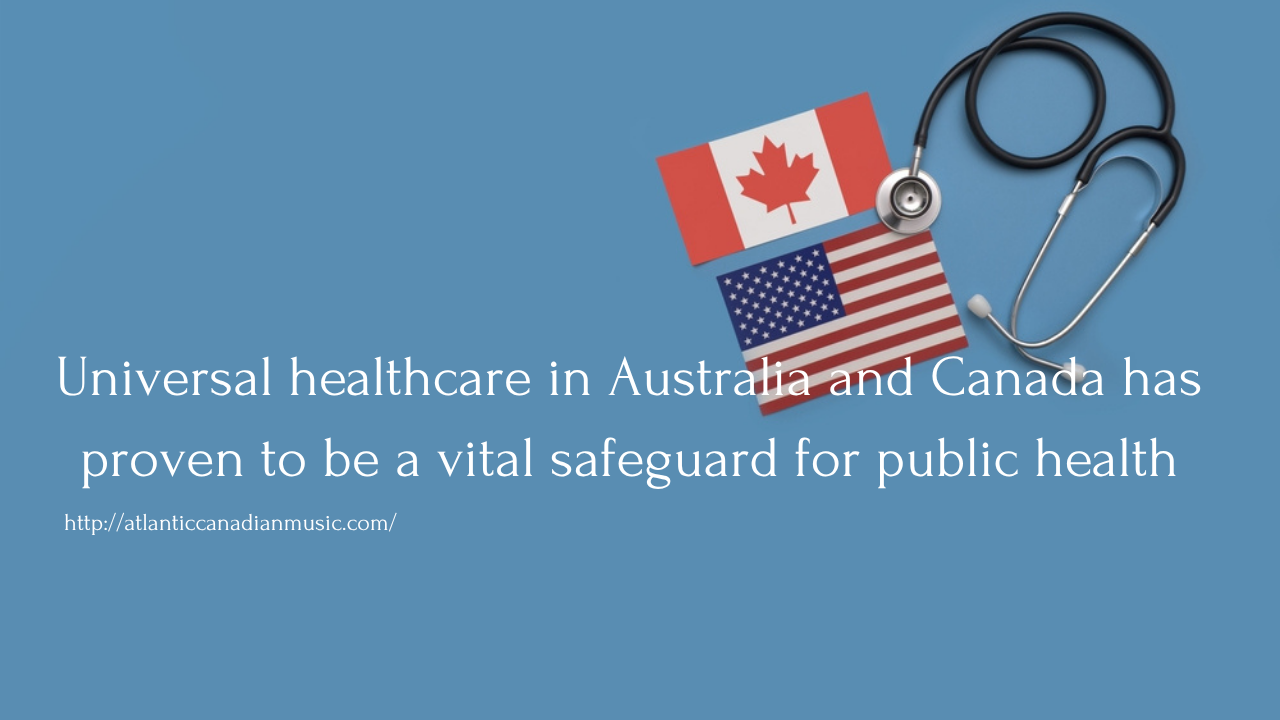
Universal healthcare in Australia and Canada has proven to be a vital safeguard for public health, offering widespread access, improving health outcomes, and promoting social equity. However, the systems are not without their flaws—especially in terms of wait times, incomplete coverage, and financial sustainability. Moving forward, both countries will need to adapt and innovate to ensure their universal systems continue to deliver high-quality care for generations to come.