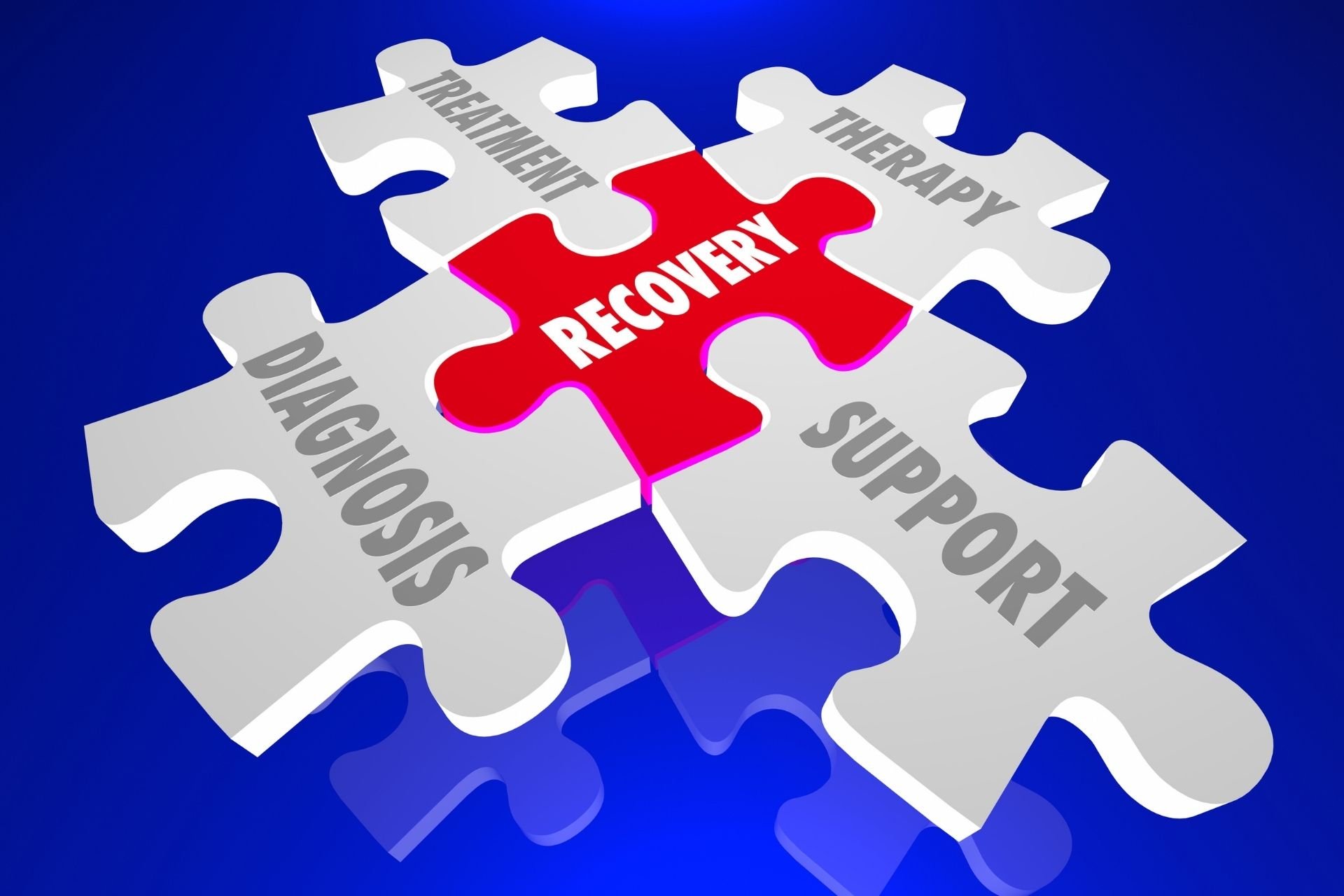
Addiction recovery is a complex journey that requires more than medical treatment alone. It involves addressing mental health, emotional wellbeing, and social support to help individuals rebuild their lives. Both Australia and Canada offer systems designed to guide people through this process, yet each approaches care in unique ways. By comparing these systems, we can uncover lessons that enhance recovery outcomes and inspire a more compassionate, holistic approach to addiction treatment.
Australia’s Integrated Approach to Recovery
Australia’s healthcare model emphasizes universal access and integration. Programs such as Medicare and the Pharmaceutical Benefits Scheme (PBS) ensure that essential medical care and medications are affordable. Beyond financial accessibility, Australia increasingly focuses on coordinated treatment, where addiction recovery, mental health therapy, and primary care work together.
Holistic Care and Individualized Programs
Many Australian recovery centers incorporate holistic methods alongside traditional treatment. These can include mindfulness practices, nutritional counseling, exercise programs, and peer support networks. Such approaches recognize that recovery is not just about abstaining from substances but rebuilding the whole person—emotionally, physically, and spiritually.
The predictability and accessibility of care allow patients to focus on long-term recovery rather than worrying about financial barriers. This consistency has been shown to improve adherence to treatment plans and reduce relapse rates.
Canada’s Compassionate, Patient-Centered System
Canada also prioritizes accessibility, though its system is provincially managed, which creates variations in coverage for mental health and addiction services. Public programs, private insurance, and out-of-pocket options all play a role in determining how individuals access care.
Strengths in Personalization and Community Engagement
Canadian recovery programs excel in individualized care. Many outpatient and inpatient programs combine clinical support with faith-based and community-oriented services, emphasizing patient dignity and emotional support. This approach acknowledges that recovery is deeply personal and that effective treatment must adapt to each individual’s circumstances.
Although access can vary across provinces, Canadian programs often prioritize aftercare and ongoing support, ensuring patients maintain connections to therapy, peer groups, and other recovery resources.
Lessons Each System Offers the Other
- Australia’s Lessons for Canada: The centralized, predictable model ensures affordability and nationwide access, reducing stress and enabling consistent treatment. Canadian programs could benefit from adopting elements of this approach to minimize regional disparities.
- Canada’s Lessons for Australia: The emphasis on personalized care and community engagement demonstrates how recovery can be tailored to the individual, complementing clinical treatment with emotional and spiritual support.
Both countries show that effective addiction recovery requires a balance of accessible medical care, individualized therapy, and holistic support. Combining the strengths of each system can create a more robust, compassionate framework for patients.
The Bigger Picture: Holistic Healing Beyond Borders
Recovery is not just about eliminating substance use—it is about restoring balance and purpose in life. By learning from each other, Australia and Canada provide models that emphasize whole-person healing, integrating medical, psychological, and social support. Patients benefit most when systems reduce barriers, ensure affordability, and respect individual needs.
Building a Compassionate Future for Recovery
Australia and Canada share a common goal: helping individuals overcome addiction and reclaim their lives. By bridging the best practices from both countries—centralized access, affordability, individualized care, and holistic support—healthcare providers can create more effective pathways to lasting recovery.
At Aussie Style Travel, we embody these principles by offering holistic, faith-based, and individualized care tailored to each person’s journey. If you or a loved one are ready to take the next step toward recovery, reach out today. Healing is possible, and compassionate support is here to guide every step of the way.