
Pills and Prices: Comparing Prescription Drug Costs in Australia and Canada

For individuals navigating addiction recovery or managing mental health conditions, access to affordable prescription medication is critical. Medications play a key role in managing withdrawal, stabilizing mood, and addressing co-occurring conditions, and consistent access can significantly impact recovery outcomes. However, the cost of prescription drugs varies widely between countries. Australia and Canada, in particular, have very different approaches to regulating drug prices. Understanding these differences can help patients and families plan effectively and reduce stress during treatment.


Australia’s PBS: Predictable and Accessible Medication

Australia’s Pharmaceutical Benefits Scheme (PBS) is the cornerstone of its approach to controlling drug costs. The PBS allows the government to negotiate prices directly with pharmaceutical companies, ensuring medications remain affordable for all citizens. Patients pay a fixed co-payment, which in 2025 is around AUD $31.60 for general patients and AUD $7.70 for concession card holders. Families that reach the PBS Safety Net threshold receive even lower costs for the remainder of the year.

Benefits for Recovery and Mental Health Treatment

For individuals undergoing addiction recovery, predictable medication costs provide stability. Many recovery programs rely on medications to manage withdrawal symptoms or treat underlying mental health conditions like anxiety or depression. The PBS ensures that cost is not a barrier to staying on track with treatment. This consistency allows patients to focus on therapy, counseling, and holistic support without worrying about the financial burden of their prescriptions.


Canada’s Patchwork System: Variable Costs and Access

In contrast, Canada does not have a single national prescription coverage program. Drug costs are managed through a combination of provincial drug plans, private insurance, and out-of-pocket payments. While the Patented Medicine Prices Review Board (PMPRB) regulates maximum prices for patented medications, it does not negotiate prices directly with manufacturers.

Challenges for Individuals in Recovery

For people managing addiction or mental health conditions, this decentralized system can create significant challenges. Access to affordable medications may vary depending on the province, income, or insurance coverage. Some patients face high out-of-pocket costs or gaps in access, which can disrupt treatment and increase stress. Missing doses due to cost can compromise recovery progress and lead to setbacks, making consistent support all the more essential.


Lessons in Holistic Care and Medication Access

Affordable medication is a critical part of holistic recovery. Physical, mental, and emotional health are interconnected, and financial barriers to treatment can undermine progress in therapy, counseling, or spiritual support. Australia’s PBS demonstrates how a centralized, government-led approach can provide equitable and reliable access, supporting patients throughout their recovery journey.

Canada’s system highlights the importance of planning and insurance coverage to reduce risk and ensure continuity of care. Patients and families must often navigate a complex landscape to maintain access to essential medications.


Removing Barriers to Recovery

Prescription drug costs are more than an economic issue—they directly influence healing and long-term recovery outcomes. Australia’s PBS offers predictability and affordability, helping individuals focus on recovery without the stress of unpredictable expenses. Canada’s patchwork system provides some protections but requires careful navigation to avoid gaps in care.

At our center, we understand that recovery involves more than just medication. Through holistic, faith-based, and individualized care, we support every aspect of healing, from therapy and counseling to guidance on accessing essential medications. If you or a loved one are navigating addiction or mental health challenges, reach out today. Compassionate, comprehensive care is within reach, and affordable access to medications is part of the journey to lasting wellness.
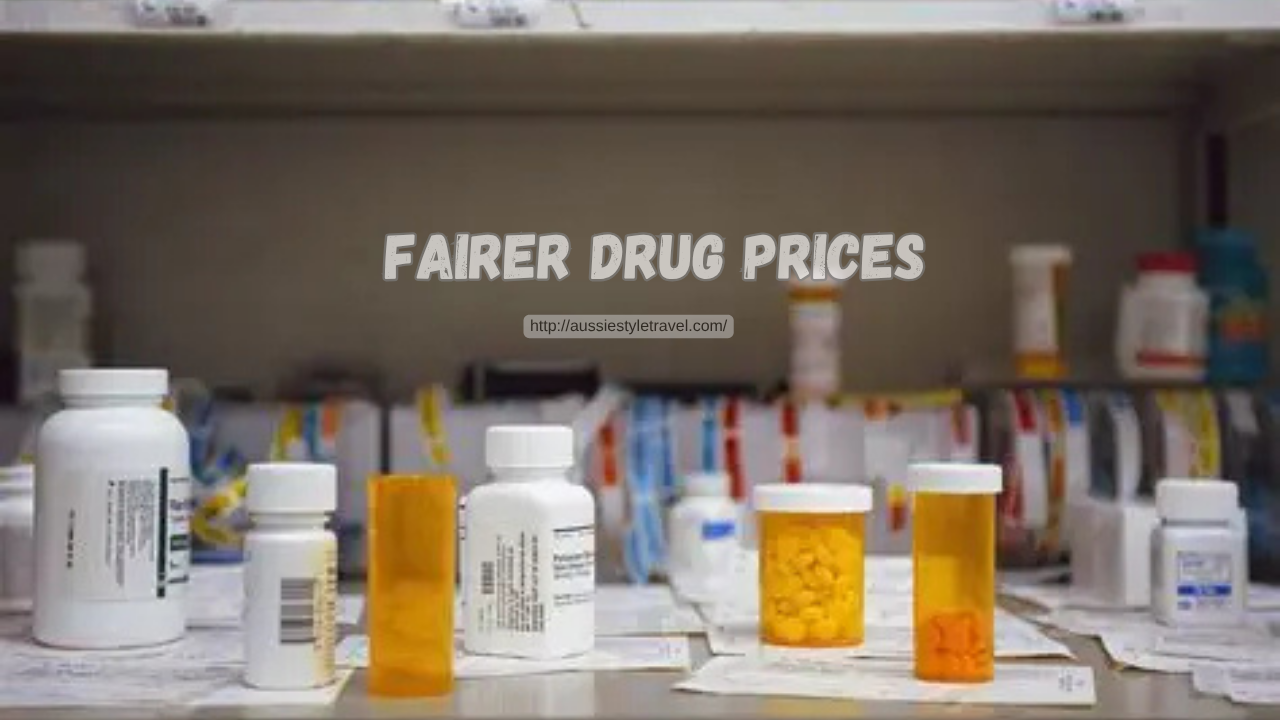

Toward Fairer Drug Prices: Can Canada Learn from Australia’s PBS Model?

Access to affordable medication is a cornerstone of physical and mental health, especially for those on the journey of addiction recovery. Whether managing withdrawal symptoms, treating depression, or stabilizing anxiety, prescription drugs play a vital role in long-term healing. Yet for many individuals in Canada, the high cost of medications remains a barrier to recovery. Australia, on the other hand, has found a way to make medications more accessible through its Pharmaceutical Benefits Scheme (PBS). As Canada continues to debate national pharmacare, Australia’s PBS model offers valuable lessons on how government-led pricing can create fairer, more compassionate healthcare.


Australia’s PBS: Ensuring Affordable Access for All

Australia’s Pharmaceutical Benefits Scheme (PBS) is a national program that ensures prescription drugs remain affordable for citizens. Through this system, the Australian government negotiates directly with pharmaceutical companies to establish set prices for approved medications. Patients then pay a fixed co-payment amount, while the government covers the rest.

Why This Matters for Addiction and Mental Health Treatment

For individuals in recovery, predictability and affordability can make a world of difference. Many recovery plans rely on medications that treat underlying mental health conditions or support withdrawal management. The PBS ensures that cost is not a barrier to staying on treatment. Once a family or individual reaches the PBS Safety Net threshold, the cost of medications is reduced even further, helping protect those with long-term or ongoing needs. This approach reflects a commitment to equity and continuity of care, two essentials in sustaining recovery.


Canada’s Current Challenge: A Patchwork of Programs

Canada’s approach to prescription drug coverage is far more fragmented. The country does not have a single national plan. Instead, drug coverage comes from a mix of provincial programs, private insurance, and out-of-pocket spending. The Patented Medicine Prices Review Board (PMPRB) regulates the maximum price of patented drugs, but it does not directly negotiate prices with manufacturers.

The Impact on Patients and Recovery

For Canadians in addiction recovery or mental health treatment, this inconsistency can lead to significant challenges. Access to affordable medication depends on where you live, your income, and whether you have insurance. These disparities can create added stress, delay treatment, or even cause individuals to skip doses—undermining the progress they’ve worked so hard to achieve. The result is a system where recovery can hinge not only on determination but also on financial circumstances.


What Canada Can Learn from Australia’s PBS

Canada can draw meaningful lessons from Australia’s centralized model:

  • Government negotiation works. By leveraging national purchasing power, Australia keeps prices fair and consistent.
  • Affordability supports recovery. Lower costs reduce relapse risk and promote long-term treatment success.
  • National unity creates equity. A single system ensures that all citizens, regardless of province or income, have equal access to life-saving medications.

If Canada were to adopt a similar model, individuals in recovery and those managing mental health conditions could experience more stable, compassionate care.


Healing Beyond Medication: A Holistic Approach

Medication affordability is only one part of the recovery journey. True healing involves addressing the whole person—mind, body, and spirit. Holistic and faith-based treatment centers recognize that recovery is not just about detox or symptom management. It’s about rebuilding purpose, stability, and hope. When medication costs are fair and accessible, it frees individuals to focus on deeper healing through therapy, support groups, and spiritual care.


A Path Toward Compassionate Care

Australia’s PBS model demonstrates that fair, government-led drug pricing is possible—and it works. By ensuring that medications remain accessible to all, Australia supports both individual wellness and national health equity. Canada has the opportunity to follow this example and create a system where no one is left behind due to cost.

At our center, we believe recovery should be compassionate, comprehensive, and within reach for everyone. Through holistic, faith-based, and individualized care, we guide individuals toward healing while helping them navigate the practical challenges of recovery, including access to medication and financial support. If you or someone you love is ready to take the next step, reach out today. Your journey toward lasting wellness begins with care that understands every part of your story.

The Role of Government in Drug Pricing: What Australia Does Differently from Canada

When it comes to addiction recovery and mental health treatment, access to affordable medication can be life-changing. For many individuals, prescriptions help manage withdrawal, reduce cravings, or stabilize mood during the healing process. But in many countries, the rising cost of medications makes recovery harder to sustain. Both Australia and Canada have systems in place to control drug prices, but the way their governments approach this issue differs significantly. Understanding these differences helps highlight why access to affordable care is so essential for long-term healing and stability.


Australia’s Hands-On Approach to Drug Pricing

Australia’s government plays a central role in regulating the cost of prescription medications. The Pharmaceutical Benefits Scheme (PBS) is at the heart of this system. Through the PBS, the federal government negotiates directly with pharmaceutical companies to determine which drugs are covered and at what price. Once a drug is listed under the PBS, the government subsidizes the cost, ensuring that patients pay only a manageable co-payment rather than the full market price.

Supporting Stability in Recovery

For those managing addiction or mental health conditions, this level of government involvement provides stability and security. Medications used to treat anxiety, depression, or substance use disorders remain affordable and consistent across the country. Patients do not have to worry about dramatic price fluctuations or regional disparities. This predictability allows individuals to focus on their treatment and emotional healing instead of financial strain.


Canada’s Decentralized and Regulatory Model

In contrast, Canada’s government plays more of a regulatory than a negotiating role. Drug pricing oversight is handled by the Patented Medicine Prices Review Board (PMPRB), which ensures that pharmaceutical companies do not set excessive prices for patented medications. However, Canada does not have a national drug coverage program like Australia’s PBS. Instead, prescription drug costs are managed through a mix of provincial programs, private insurance, and out-of-pocket spending.

Challenges for Canadians in Recovery

Because drug coverage varies by province, access to affordable prescriptions can depend on where a person lives or whether they have private insurance. For individuals in addiction recovery or mental health treatment, these inconsistencies can create real barriers. The lack of a unified system means some Canadians may pay much more for essential medications than others. This uneven access can disrupt treatment plans, contribute to relapse risk, and add unnecessary financial stress during an already difficult time.


The Impact of Policy on Healing and Access

Drug pricing is more than just a policy debate. It directly influences the health, stability, and progress of people striving to overcome addiction or mental illness. When governments take an active role in negotiating fair prices, as Australia does, patients benefit from greater equity and peace of mind. On the other hand, fragmented systems like Canada’s can make recovery more challenging for those without strong financial or insurance support.

A fair, transparent pricing system supports holistic healing, where patients can focus on therapy, counseling, and spiritual renewal without worrying about medication costs.


Ensuring Affordable Healing for All

Australia’s approach to government-led drug pricing demonstrates how policy can empower patients rather than burden them. By prioritizing affordability and accessibility, the country has built a system that supports recovery at every level. Canada’s model, while protective in some respects, shows how decentralization can create inequalities in access and affordability.

At our center, we believe that healing should never be limited by cost. Through holistic, faith-based, and individualized care, we help clients access the support they need to rebuild their lives. Affordable medication is one part of the journey, but comprehensive care addresses the mind, body, and spirit together. If you or your loved one is ready to begin the path toward recovery, reach out today. Compassionate, affordable healing is possible, and we are here to guide you every step of the way.